The Meeting Invitation That Answers Three Questions
A clear meeting invitation explains its purpose, who is invited and what attendees can expect to leave with, helping neighbours decide whether to come.
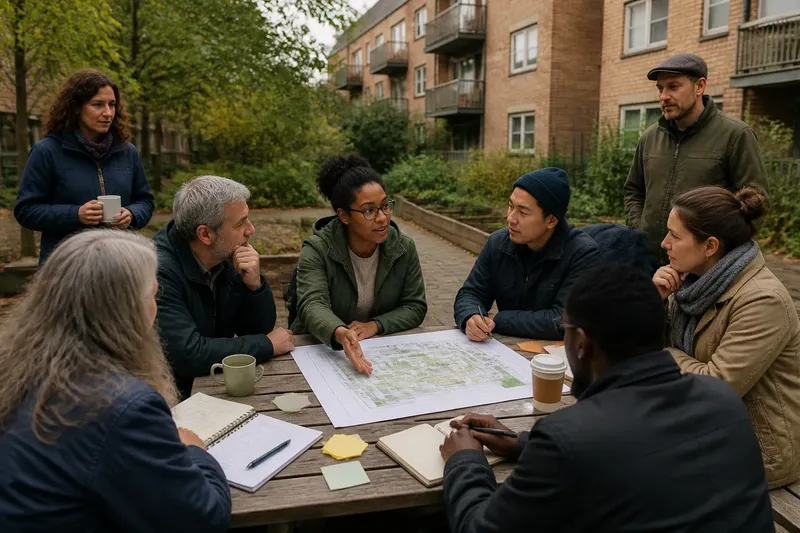
A meeting invitation works better when it answers three questions before anyone has to ask: Why are we meeting? Who is this for? What should we expect to come away with? When those answers are missing, neighbours may assume the gathering is not meant for them, cannot tell whether their presence matters, or fear they are agreeing to an open-ended evening.
Those doubts are rarely solved by adding more cheerful wording. The useful fix is to identify the specific uncertainty behind the invitation, then revise the relevant detail. A clear invitation is less like a poster on a wall and more like a well-labeled jar: it tells people what is inside before they decide to reach for it.
People cannot tell what the gathering is for
What goes wrong: The invitation says, “Join us to talk about the neighborhood,” or “Let’s discuss community improvements.” These phrases sound welcoming but give no indication of what people will actually discuss. A renter wondering about a proposed courtyard garden and a parent concerned about a school crossing may both read the same message and conclude that the gathering is unrelated to them.
What usually causes it: Organizers begin with the name of the project or the general area of concern, then assume the purpose is obvious to anyone following the conversation. It may be obvious to the small group that has already exchanged messages. A first-time reader sees only the invitation.
What to try: State the decision, question or piece of work that gives this meeting a reason to happen. “We’re meeting to decide which corner of the shared courtyard to propose for a garden” tells readers more than “courtyard discussion.” If no decision is ready to make, say what people will examine instead: “We’ll compare possible garden locations and list what needs checking before a proposal is made.”
A purpose can be narrow without sounding exclusive. If the group needs input on one issue, say so and make the connection to the larger project clear. Avoid making a gathering sound as though it will settle every concern around a complicated topic. An invitation that promises one useful conversation can be more appealing than one that implies a sweeping solution.
The invitation leaves potential attendees unsure whether they are included
What goes wrong: The message names “residents” or “the community” without explaining whose participation is wanted. People who rent, work locally, use a shared space, live nearby but outside a formal boundary, or have a relevant skill may hesitate. Others may arrive believing the meeting is open when organizers intended a smaller working session.
What usually causes it: Organizers use a familiar label as shorthand. But local groups do not always agree about what “resident” or “neighbor” means, and some projects affect people who do not live on the street where the work will happen. A vague invitation can make an open gathering feel closed and a focused gathering feel confusingly broad.
What to try: Name the people whose involvement is useful, in ordinary language. For example: “Neighbors who use the courtyard, including renters and nearby residents, are invited.” If the meeting has a specific role, state that too: “This working session is for the volunteer team preparing a draft proposal; everyone is welcome at the community conversation next week.” The distinction helps people select the right gathering without making either one sound more important.
Consider whether the invitation should identify people who are especially affected, rather than listing only the organizers’ usual contacts. That does not mean claiming to speak for anyone. It means making the intended audience visible and leaving room for someone to ask whether they belong.
People expect a debate when organizers need a working session
What goes wrong: Attendees arrive ready to voice broad concerns, while the organizers hope to compare notes or draft a small proposal. The resulting mismatch can leave participants feeling ignored and organizers feeling that the agenda has slipped away.
What usually causes it: The invitation describes a topic but not the kind of participation requested. “Talk about the courtyard” might mean listening to updates, sharing concerns, choosing between options, or dividing tasks. Those are different social commitments, even if they concern the same place.
What to try: Add a plain sentence about how the meeting will work. “We’ll hear a short update, collect concerns, then compare two possible locations” sets a reasonable expectation. If the gathering is for shared work, name the task: “We’ll mark areas on a paper courtyard plan and note questions for the property manager.” If it is mainly for listening, say that rather than dressing it up as a decision meeting.
Be careful not to imply that every attendee will have equal authority to make a decision if that is not the arrangement. Explain who will use the discussion afterward and how. People can still contribute meaningfully when a final choice belongs to a committee, a property owner or a public body, but they need to know what influence the meeting offers.
The promised outcome sounds too vague or too final
What goes wrong: “We’ll make a plan” leaves people wondering what kind of plan, while “We’ll decide the future of the courtyard” may suggest more authority than the gathering has. Either version risks disappointment: one through uncertainty, the other through an inflated promise.
What usually causes it: The invitation is written before organizers have settled what can realistically happen in the room. They may know the topic and the attendees but not whether the group is ready to choose, recommend, record questions or assign follow-up work.
What to try: Describe the outcome at the level the meeting can actually produce. Useful outcomes include a list of concerns, a comparison of options, a draft recommendation, a set of questions for a decision-maker, or agreement on who will take the next action. If the group is still gathering input, say that the result will be a summary rather than a final decision.
Say you are inviting neighbors to consider two possible locations for a shared garden, but the site manager must approve any proposal. The invitation could explain that attendees will compare the locations, identify practical questions and prepare a preferred option to send for review. People can then see both what their discussion may shape and what it cannot settle on its own.
The invitation attracts the wrong expectation?
How do I describe a meeting when the purpose is still developing?
Name what is known and identify what remains open. You might say the group is gathering concerns before deciding whether to draft a proposal, rather than pretending the agenda or outcome is settled.
Should I invite everyone or only people directly affected?
Describe the people whose experience is especially relevant, then state whether others are welcome to listen or contribute. If attendance is limited to a working group, explain how others can take part in a separate conversation.
What outcome should an invitation promise?
Promise only what the meeting can reasonably produce: a shared list, a comparison, a draft or a next action. If an outside person or organization must approve the result, make that boundary clear.
How much detail belongs in a short invitation?
Keep the main message to the purpose, intended participants and expected result, then add practical details such as the place, time and access arrangements. A link or contact person can handle questions that do not fit in the invitation itself.
Practical details can quietly undermine a clear purpose
What goes wrong: The invitation answers the three central questions but leaves out information that determines whether someone can attend: the meeting place is hard to identify, the location is not accessible to a likely attendee, or the end time is unclear. People may decide that the gathering is too uncertain to fit into their day.
What usually causes it: Organizers focus on the discussion and treat logistics as secondary. Yet logistics are part of the invitation’s offer. A neighbor deciding whether to come needs to know not only why the meeting matters, but what the commitment looks like.
What to try: Add the practical details a reader needs to make a real choice. Give a recognizable location, explain whether the meeting is indoors or outdoors, include a likely finishing time if known, and say whom to contact about access needs or language support. Keep these details factual and avoid promising arrangements that have not been confirmed.
If the gathering has a focused format, mention whether people can arrive late, leave early, bring children, or attend without speaking. These notes should reflect what organizers can accommodate, not a general wish to seem welcoming. A concrete invitation lets a neighbor assess the fit without needing to ask a private question in a group chat.
One person’s assumptions shape the message
What goes wrong: The invitation makes sense to its writer but not to a neighbor who has not followed the project. It may use an internal nickname, an unexplained acronym, or refer to “the next phase” without saying what came before. Readers who lack that background can feel behind before they have even arrived.
What usually causes it: People who organize together develop shorthand naturally. When they write an invitation from within that conversation, they may not notice how much context the message assumes.
What to try: Ask someone who has not been part of the planning to read the draft and tell you what they believe the gathering is for, who it is intended for and what will happen. If their account differs from yours, revise the wording rather than adding a long explanation. Spell out unfamiliar names and replace insider terms with the place or activity they refer to.
It can help to read the invitation aloud and listen for implied promises. “We’ll sort out the garden” may sound like a decision is certain; “we’ll agree on what to ask the site manager” describes a smaller, clearer aim. The right wording depends on the meeting’s actual authority and the work already done.
Revise the invitation in the order a reader decides
When a draft feels muddy, do not polish every sentence at once. Check the information in the order a neighbor is likely to need it:
- Purpose: Can a reader name the question, decision or task without guessing?
- People: Does the invitation say who is invited, who is especially affected and whether the gathering is open or limited?
- Outcome: Is the expected result specific, modest enough to be credible and clear about any later approval?
- Format: Does the message show whether people will listen, share views, compare options or work on a task?
- Practical fit: Are the place, timing and relevant access details clear enough for someone to decide whether attending is possible?
- Plain language: Would a neighbor outside the organizing group understand every project name and phrase?
This order keeps the invitation focused on a reader’s decision rather than the organizers’ history. If one answer is not settled, state the uncertainty honestly and explain what attendees can help clarify. When local rules, a venue’s requirements or an organization’s approval process affect who can attend or decide, confirm those details with the responsible party before sending the message.
A good meeting invitation does not need to persuade every neighbor to come. It should help each person judge whether the gathering matches their interests, whether their presence is welcome and what their time may contribute. For the clearest meeting invitation, make those three answers specific enough that someone can decide without decoding the organizers’ intentions.